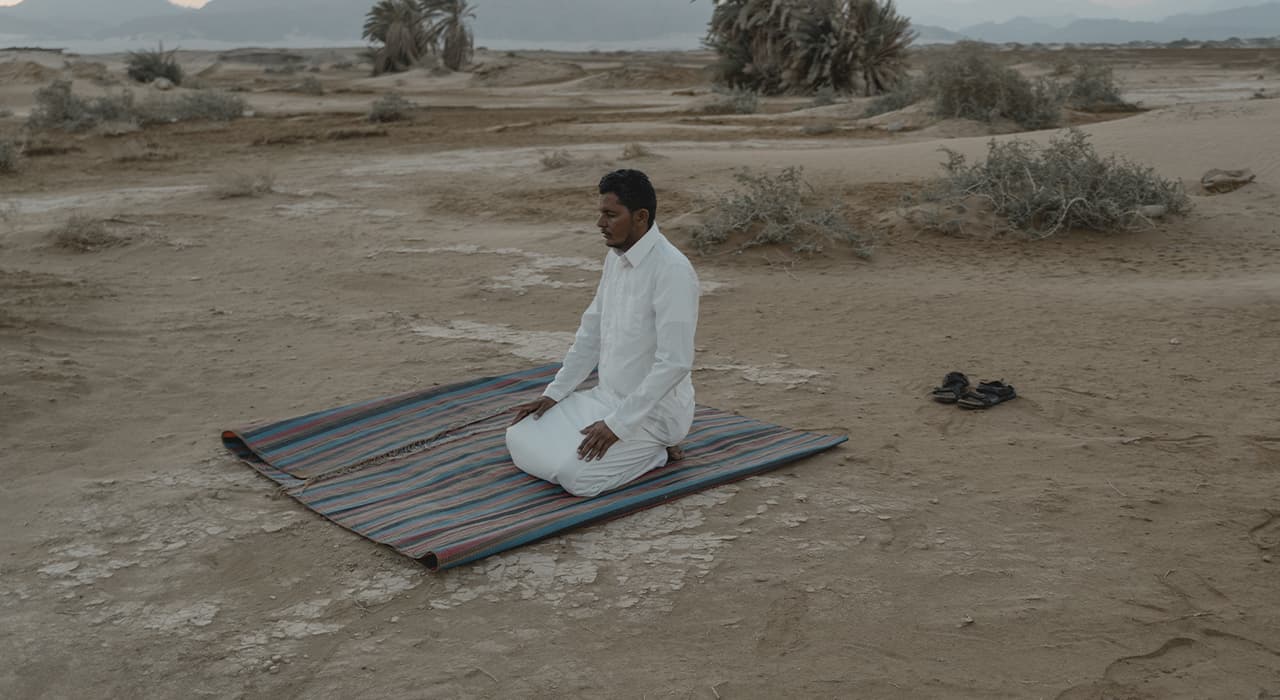

After all, you’ve got your own struggles to deal with: trying to explain why you pray to hostile teachers, Hijab discrimination, standing up in class when the professor attacks Islam, dealing with parents who think you’ve gone nuts because you’re growing a beard, or all the other difficulties faced by a number of practicing Muslim youth?
Islam was never meant to be an individualistic faith, reserved for the "chosen few". Muslims have a duty to spread the Deen, and practicing Muslim youth, whether beginners, activists or leaders have a crucial role to play.
"Allah has put them in a position that perhaps no one else is in," notes Sheema Khan, former Muslim Youth of North America (MYNA) advisor for eastern Canada. "They have the means to communicate with their peers, they have an understanding of what they’re going through plus they have the guidance of Islam."
Who is your childhood friend, who would rather spend Fridays at MacDonald’s than the Masjid, or your classmate who is Muslim in name and only knows that "Muslims don’t eat pork" going to listen to: the nice Imam of the Masjid who would freak out if he saw the way they were dressed and talked or you who may have grown up with them, joked with them, or see them everyday in school?
The answer is obvious: you.
Don’t panic. Here are some tips and
advice which can help from other Muslims, many of whom have been there
and done that:
Tip # 1 : Make Your Intention Sincere
All work we do should ideally be
for the sake of Allah. That includes the task of bringing someone closer
to Allah. That of course means this should not be connected to arrogance,
thinking you’re the teacher and everyone else should be lucky you’ve embarked
on a crusade to save them. Guidance is from Allah. Make Dua and make sincere
efforts and remember Allah can also misguide you if He wills (we seek refuge
in Allah from that).
Tip # 2 : Practice What YOu Preach
Not practicing what you preach is
wrong and you will lose the confidence of anyone, young or old, once they
figure you out. Don’t do it.
Tip # 3 : Use The Quran & Seerah (biography of the Prphet peace be upon him) As Dawa Guides
Read and understand those chapters of the Quran which talk about how the Prophets presented the message of Islam to their people. Read the Seerah (for some good Seerah books)to see especially how the Prophet Muhammad (peace and blessings be upon him) brought Islam to so many different people, including young people.
As well, talk to Dawa workers, and
check out manuals they may have written, like Yahiya Emerick’s How to Tell
Others About Islam.
Smiling, being polite and kind are all part of the manners of the Prophet, which we must exercise in our daily lives. If we want to approach others with Islam, we have to make ourselves approachable. Smiling is key to this.
But note that being approachable
does not mean being flirtations with the other gender. There are Islamic
rules for how men and women should deal with each other which have to be
respected. Dawa is no excuse to have long and private conversations and
meetings with the other sex, for example. Set up a system where someone
expressing an interest in Islam is referred to someone of the same sex.
Tip # 6 : Take The Initiative & Hang Out With Them
Take the first step and invite someone
you may have spoken to a couple of times to sit at lunch together, to check
out a hockey game or invite them over for Iftar in Ramadan. Also, share
difficulties, sorrows and frustrations. Help with homework, be a shoulder
to cry on when depression hits, or just plain listen when your friend is
upset, discuss common problems and KEEP THEIR SECRETS. There are few things
as annoying as a snitch and backstabber. But an important note: if the
problem is of a serious nature,(i.e. your friend is thinking of committing
suicide or is taking drugs), notify and consult an adult immediately.
Tip # 7 : Show Them Islam Is Relevent Today, Right Here, Right Now
Young people may think Islam is too
"old fashioned" and not in tune with the modern age. Prove this wrong.
Show how Islam is really about relating to Allah, which any human being
can do, anywhere, anytime. Allah is always closer to you than your jugular
vein and He hears and knows everything. Encourage friends to ask Allah’s
help during tests, exams, and in dealing with problems at home with parents
and siblings. Also point out how Islam relates to teenagers: Islam gives
you focus and an understanding of who you are and where you are going,
which most of "teen culture" does not.
Tip #
8 : Get Them Involved In Volunteer Work With You
If you are already involved in the
community, get your friend to help out. Ask them to make a flyer for one
of your youth group’s events or brainstorm for ideas about activities to
hold this school year. This involvement makes them feel part of the Muslim
community and deepens your friendship, since you are now working together
on something beneficial for both of you. Make sure you thank them for their
contribution.
Tip # 9 : Ask Them 4 Fundamental Questions
As your friendship develops, you will notice the topics you discuss may become more serious. You may be discussing, for instance, future goals and plans. Khan recommends four questions to ask that can steer the topic to Allah and Islam:
a. Where am I going in life and what
would make me really happy deep down inside?
b. What do I believe?
c. Who should I be grateful to?
d. Did I get to where I am today
without the help of anyone?
Tip # 10 : Emphasize Praying 5 Times A Day
Before Any Other Aspect Of Islam
A person’s main connection with Allah, on a daily basis,
is through the prayer five times a day. Don’t emphasize any other aspect
of Islam until your friend starts making a real effort to pray five times
a day. Emphasize the direct connection one has with Allah in prayer. If
they are facing a problem, tell them to pray, and to ask Allah for help
in Salah and outside this time. When possible, make it a point to pray
together during your "hang out time". If your friend begins to pray, that
is the first step to other aspects of Islam like giving up swearing, treating
parents with respect or dressing Islamically.
Tip # 11 : Help Instill Confidence In Adults
Adults, like Bart Simpson’s dad
Homer, are considered bumbling idiots in the eyes of "teen culture". Your
job as a young Muslim is to help turn the tables on this false and unIslamic
belief. All you have to do is this: when a Muslim adult does something
good (i.e. saving someone’s life, donating money to a worthy cause, the
Imam gives a good speech, taking good care of his/her family) bring it
up in the course of your conversations with your friend and praise the
adult in question. Doing this regularly may not only change your friend’s
perspective, but could lead to them seeing their own parents in a more
respectful way.
|
|